Antibodies – Structure, Types, and Research Applications
Comprehensive insights into antibodies, molecular targets, and laboratory applications.
iSpyBio provides a detailed overview of antibodies, from their molecular structure to research applications. Explore how antibodies are used in diagnostics, experimental assays, and translational studies. Dive deeper to understand their role in immune defense and cutting-edge therapies.
What is an Antibody?
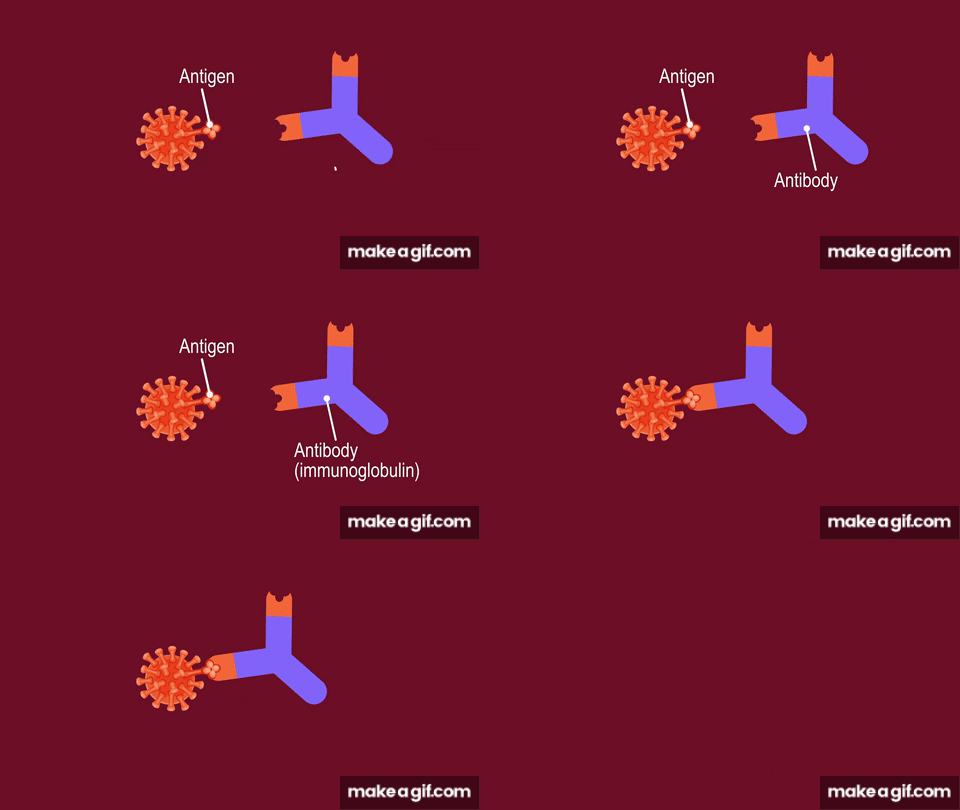
Antibodies, also called immunoglobulins, are Y-shaped proteins produced by the immune system to recognize and neutralize pathogens such as bacteria and viruses. They are a key part of adaptive immunity, helping B-cells and T-cells respond to infections.
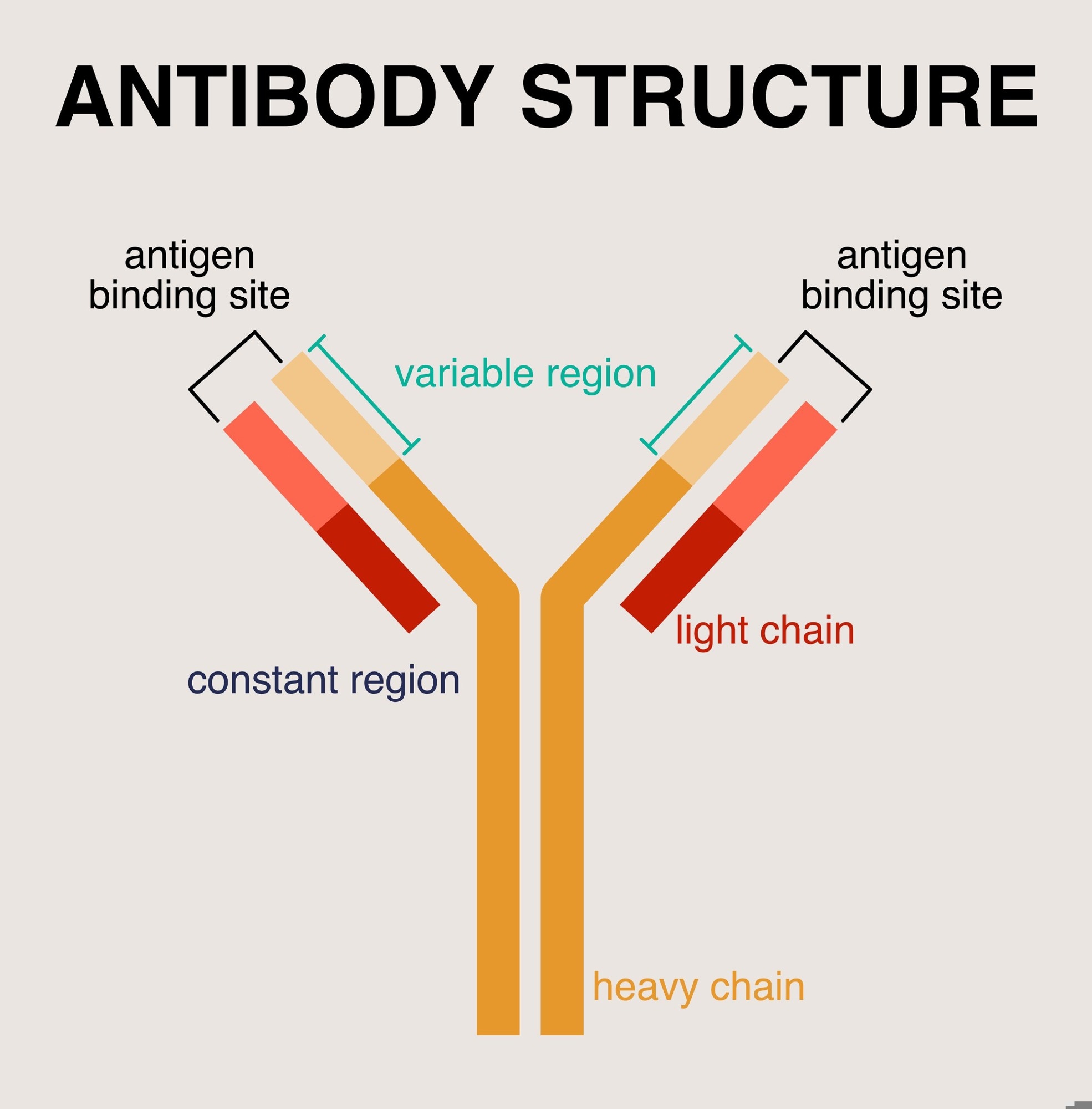
Each antibody is composed of two heavy chains and two light chains, with variable regions that bind specifically to antigens. Beyond their natural role in defense, antibodies are essential in research and medicine, including applications in vaccines, diagnostics, and therapies for conditions like cancer and autoimmune disorders.
Antibody Structure
Antibodies have a modular design that enables both specificity and functionality. Understanding their structure is key to research and experimental applications.
Basic Anatomy : Each antibody consists of a variable region, which recognizes antigens, and a constant region, responsible for effector functions. The antigen-binding site (Fab) determines specificity.
Classes / Isotypes :Different antibody types include IgG (most common, crosses the placenta), IgA (protects mucosal surfaces), IgM (first response), IgE (allergy-related), and IgD (involved in B-cell activation).
Functional Domains :The Fab region binds to antigens, while the Fc region interacts with immune cells to trigger responses.
Post-translational Modifications :Glycosylation can influence antibody stability and functional activity.
Structural Variations :Monoclonal antibodies target a single epitope, whereas polyclonal antibodies recognize multiple epitopes, offering broader binding profiles.
Types of Antibodies
Different antibodies serve specific immune and research needs, each with unique characteristics and applications:
Polyclonal Antibodies (pAbs) Produced by multiple B-cell clones, they recognize multiple epitopes, providing broad binding but lower specificity.
Monoclonal Antibodies (mAbs) :Derived from a single B-cell clone, they offer high specificity, ideal for targeted research and therapeutic applications
Humanized and Fully Human Antibodies :Designed to minimize immunogenicity, making them suitable for therapeutic and clinical applications.
Nanobodies / Single-domain Antibodies : Small, versatile antibodies that penetrate tissues efficiently, useful in advanced research and diagnostic tools.

How Antibodies Work
Antibodies do more than just bind to antigens they actively trigger immune responses and play critical roles in both natural defense and research applications.
Antigen Recognition and Binding :The variable regions of antibodies precisely recognize and attach to specific epitopes with high specificity and affinity.
Specificity and Affinity :These properties determine how selectively and tightly an antibody binds its target, influencing both immune response and experimental reliability.
Neutralization, Opsonization, and Complement Activation :Antibodies can neutralize pathogens, tag them for destruction by immune cells (opsonization), or initiate cell lysis through the complement system.
Relevance to Experimental Assays : Their binding and functional properties make antibodies essential tools in assays such as ELISA, Western Blot, Immunofluorescence, and more.
Applications in Research & Diagnostics
Antibodies drive innovation in labs and clinics. Expanded with real-world examples.
Experimental Techniques
Western Blot : Protein detection
ELISA : Quantification of biomarkers
Immunofluorescence :Cellular visualization
Flow Cytometry :Cell identification and sorting
Therapeutic Applications
Oncology :Targeted antibody therapies
Autoimmune diseases : Immune modulation treatments
Diagnostic Applications
Biomarker detection
Pathogen identification
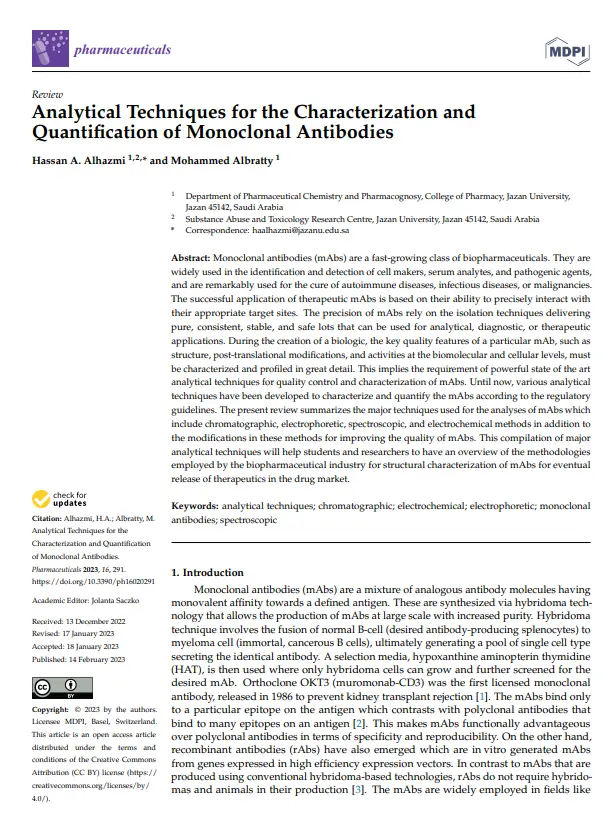
Antibody Validation
Specificity, reproducibility, and proper controls are critical to ensure reliable results.
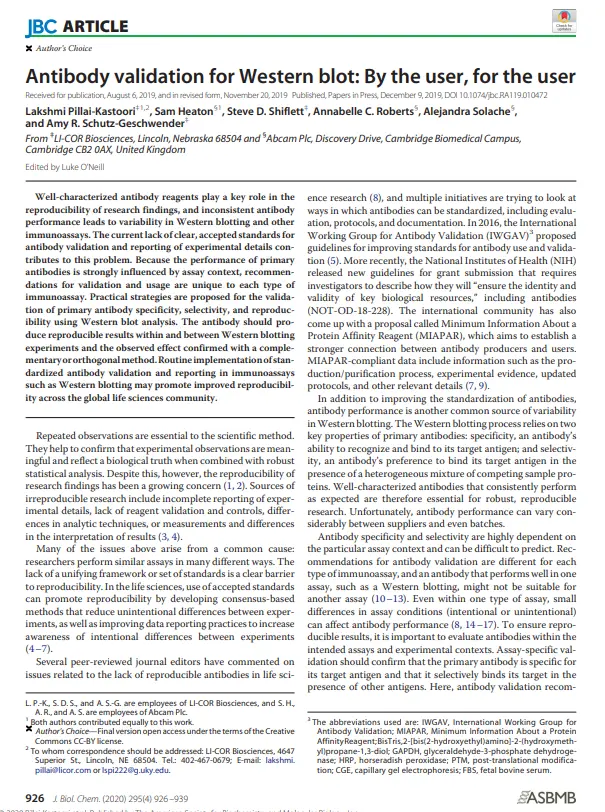
How to Choose the Right Antibody
Selecting the appropriate antibody is essential to ensure accuracy, reproducibility, and meaningful scientific results.
Antibody specificity should be carefully evaluated to confirm that the molecule binds exclusively to the intended target while minimizing cross-reactivity with related proteins. Host species must also be considered in order to avoid background interference within the experimental system.
The choice between monoclonal and polyclonal antibodies depends on the objective of the study. Monoclonal antibodies provide high specificity and consistent recognition of a single epitope, whereas polyclonal antibodies recognize multiple epitopes and may enhance signal detection.
It is equally important to confirm that the antibody has been validated for the intended application, whether for Western Blot, Immunohistochemistry, ELISA, or other assays. Reviewing technical datasheets, validation data, and peer-reviewed references further strengthens confidence in experimental reliability.
A structured and informed selection process significantly improves experimental consistency and interpretative accuracy.
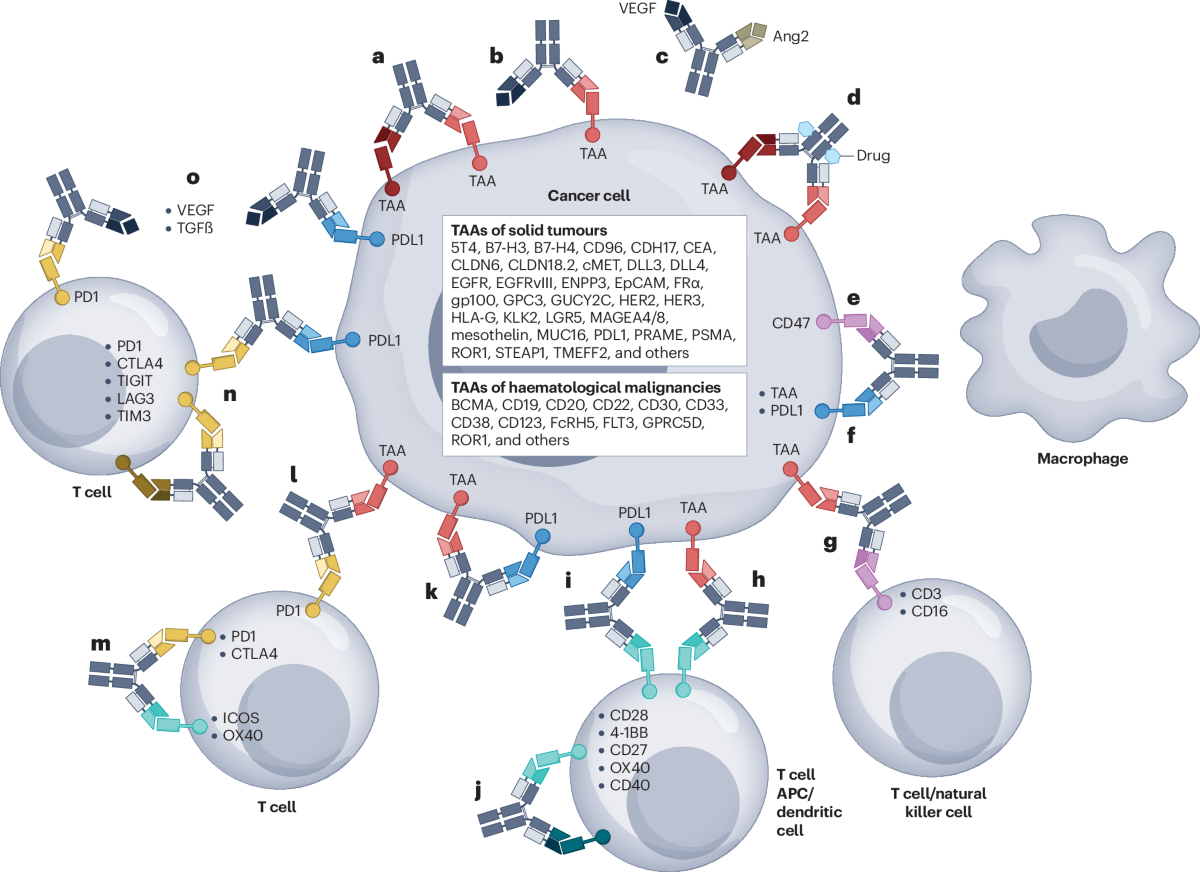
Future of Antibody Research
Antibody research continues to evolve toward greater precision and therapeutic innovation. Advances in recombinant engineering now allow the design of customized antibodies with improved stability, affinity, and functional performance.
Bispecific antibodies are expanding therapeutic possibilities by enabling dual targeting strategies for complex diseases. At the same time, nanobody technologies offer smaller and more versatile alternatives with enhanced tissue penetration.
Artificial intelligence and machine learning are increasingly integrated into antibody discovery, accelerating design processes and optimizing candidate selection.
These developments support closer integration with translational medicine, contributing to more personalized diagnostic and therapes.utic approache
Frequently asked questions
Here are some common questions.
Monoclonals target one epitope; polyclonals multiple.
Use controls, literature, and assays like Western Blot.
Yes, but monitor for side effects; humanized versions reduce risks.