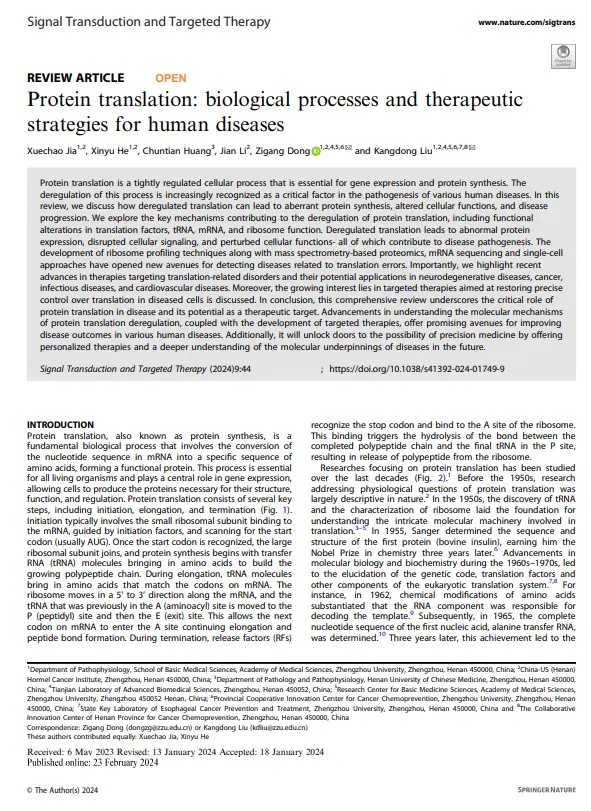
Proteins: Structure, Function and Molecular Characterization
An in-depth scientific overview of protein structure, functional classification, molecular interactions, and translational relevance. This page provides structured insights into protein biology, experimental characterization, and emerging directions in biomedical research.
Molecular Framework
Proteins are structurally defined biological macromolecules composed of amino acid sequences encoded by genomic information and expressed through tightly regulated cellular processes. Their structural organization enables precise biochemical function, positioning proteins as the primary executors of molecular activity within living systems. They regulate metabolism, signal transduction, structural integrity, gene expression, immune responses, and cellular communication. The study of proteins therefore represents a foundational pillar of molecular, biomedical, and translational sciences.
Structural Organization and Conformation
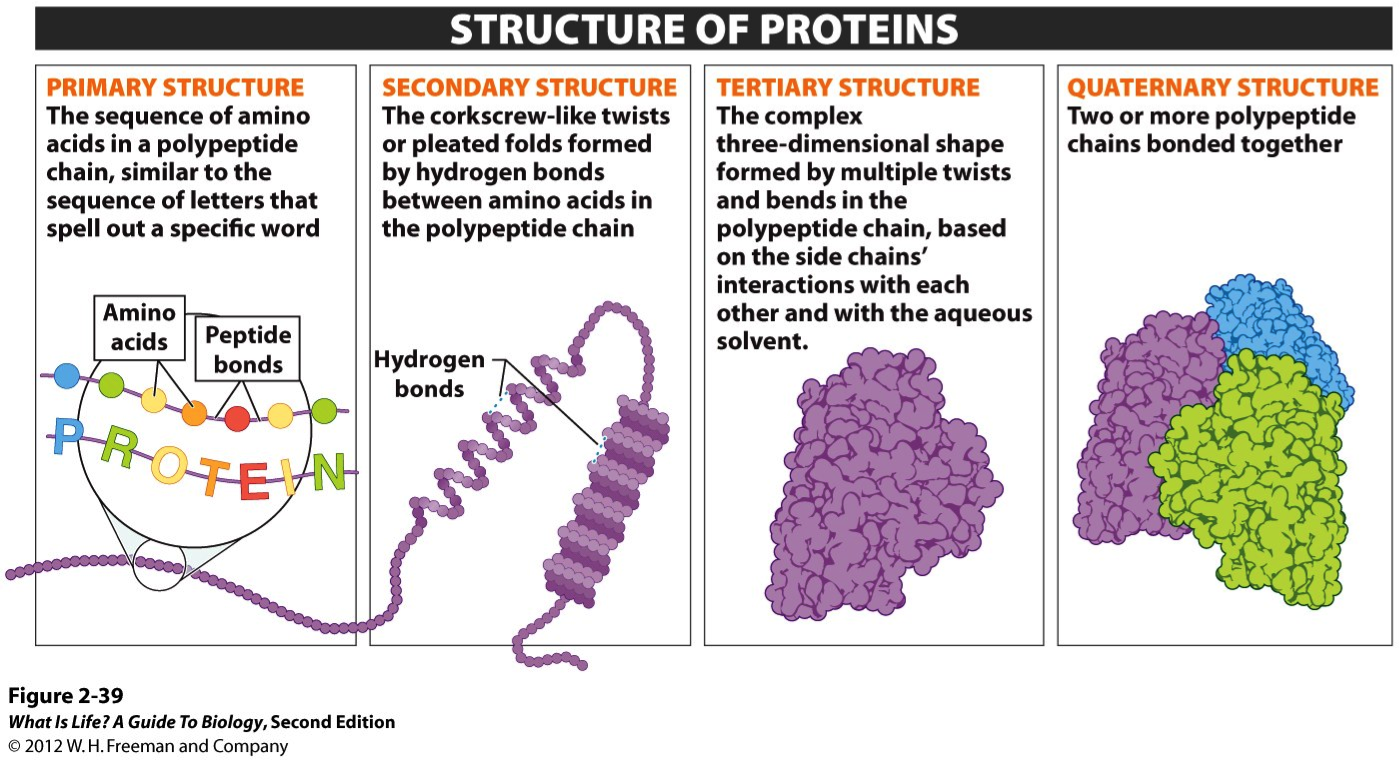
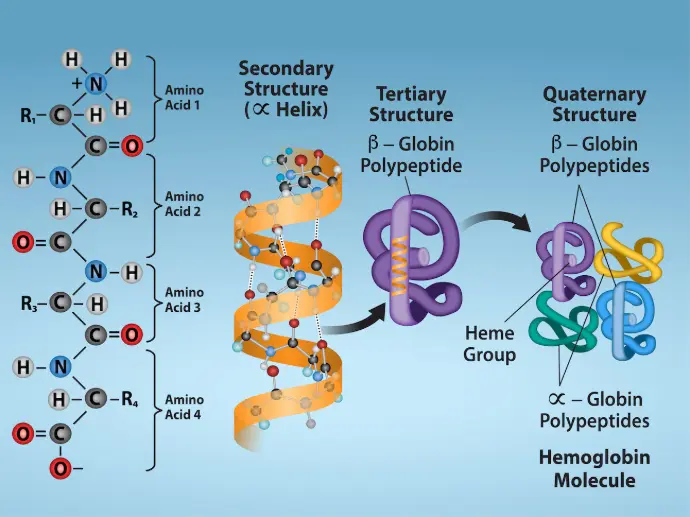
Protein function is intrinsically dependent on hierarchical structural organization and conformational stability. The primary structure defines the linear amino acid sequence. Secondary structures, including alpha-helices and beta-sheets, arise from localized hydrogen bonding patterns. Tertiary structure reflects three-dimensional folding stabilized by hydrophobic interactions, ionic bonds, and disulfide bridges. Quaternary organization governs the assembly of multiple subunits into functional complexes. Structural integrity and proper folding are essential determinants of biological activity, stability, and experimental reliability.
Functional Classification
Proteins are categorized according to mechanistic and regulatory roles within biological systems. Catalytic proteins (enzymes) mediate biochemical transformations with defined substrate specificity. Structural proteins maintain cellular architecture and mechanical support. Transport proteins regulate molecular distribution across membranes and through circulation. Signaling and regulatory proteins coordinate intracellular and intercellular communication networks, including gene expression control. This functional diversity underscores their central role in maintaining biological homeostasis.
Molecular Interactions and Regulation
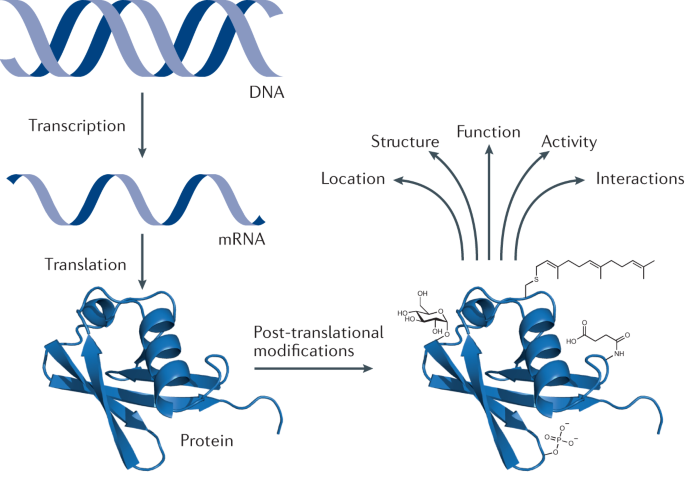
Protein activity is shaped by dynamic conformational states, intermolecular interactions, and post-translational modifications. Protein–protein interactions, ligand binding, phosphorylation, glycosylation, and other regulatory events modulate stability, localization, and functional output. Environmental factors such as pH and temperature further influence protein behavior. Understanding these mechanisms is critical for interpreting physiological regulation and disease-associated alterations.
READ MOREExperimental Characterization
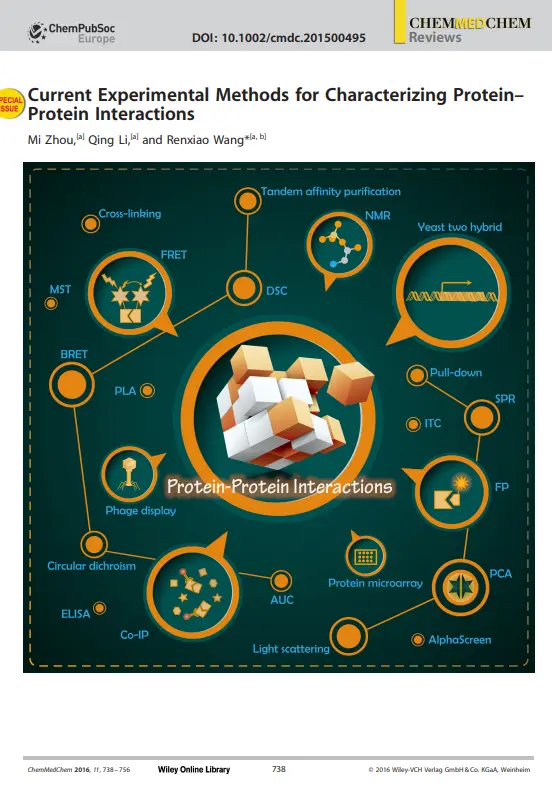
Comprehensive protein analysis requires standardized and validated methodological approaches. Techniques such as immunodetection assays, mass spectrometry, protein purification, and high-resolution structural methods including X-ray crystallography and cryo-electron microscopy enable identification, quantification, and structural determination. Rigorous characterization supports reproducibility, functional interpretation, and scientific reliability.

Expression and Biotechnological Production
Recombinant protein expression systems enable controlled production in bacterial, yeast, insect, or mammalian cells. Optimization of expression conditions, purification strategies, and folding environments is essential to preserve structural accuracy and biological functionality. These approaches are foundational in both academic research and biopharmaceutical development.
Future Directions and Scientific Integration
Contemporary protein research integrates structural biology, computational modeling, systems biology, and multi-omics analysis. Advanced predictive algorithms, high-resolution imaging technologies, and large-scale interaction mapping are expanding the interpretative framework of protein science. This interdisciplinary convergence supports a structured, evidence-based understanding of molecular systems and advances the integration of protein research within personalized and translational medicine.