Biomolecular Targets: Research & Therapeutic Insights
Biomolecular Targets | Key Molecules in Research & Therapy
What Are Biomolecular Targets?
Biomolecular targets represent critical entities in cellular and tissue environments that can be selectively engaged and altered by therapeutic agents such as medecines, antibodies, peptides, or other ligands. These targets encompass a diverse array of macromolecules, including proteins, nucleic acids, carbohydrates, lipids, and small molecules, each integral to fundamental biological processes like signaling, metabolism, and gene regulation. The identification and modulation of these targets form the cornerstone of modern biomedical research, enabling advancements in diagnostics, therapeutic interventions, and personalized medicine. By precisely interacting with these molecules, researchers can disrupt pathological pathways or enhance physiological functions, thereby addressing diseases at their molecular roots. This approach underscores the shift from empirical to rational drug design, where understanding target-ligand interactions informs the development of efficacious and safe therapies.
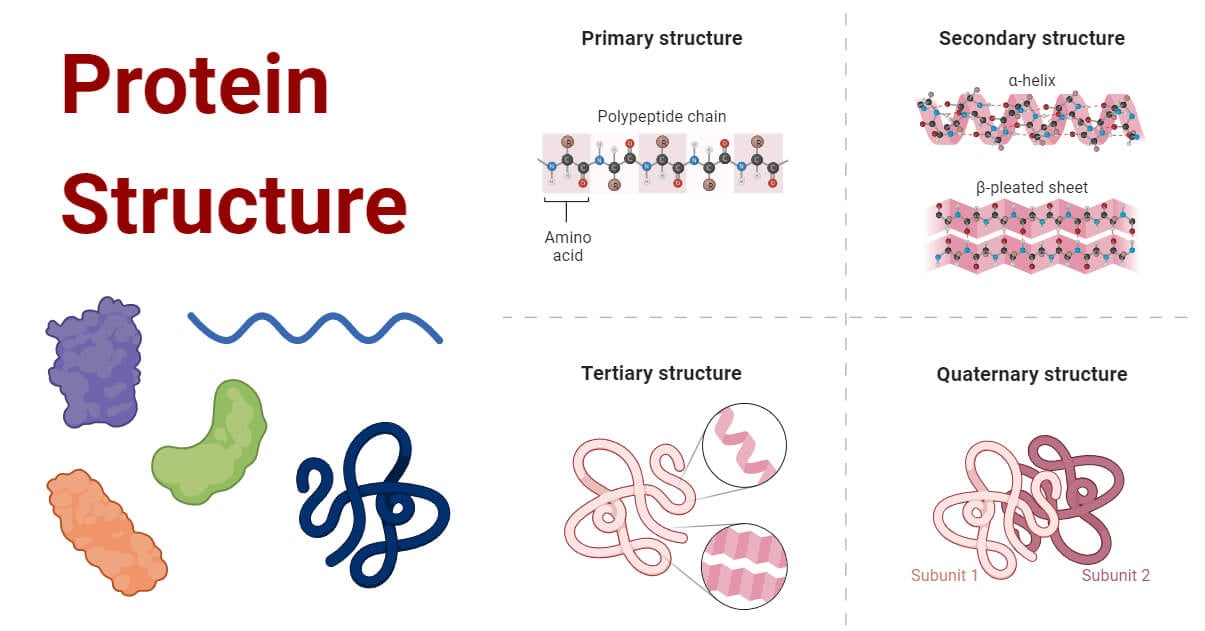
Types of Biomolecular Targets
Biomolecular targets are categorized based on their chemical nature and functional roles, facilitating targeted research and therapeutic strategies.
Proteins: Key targets such as enzymes, receptors, ion channels, and signaling molecules. Their structural diversity enables specific ligand binding, making them ideal for drug development.
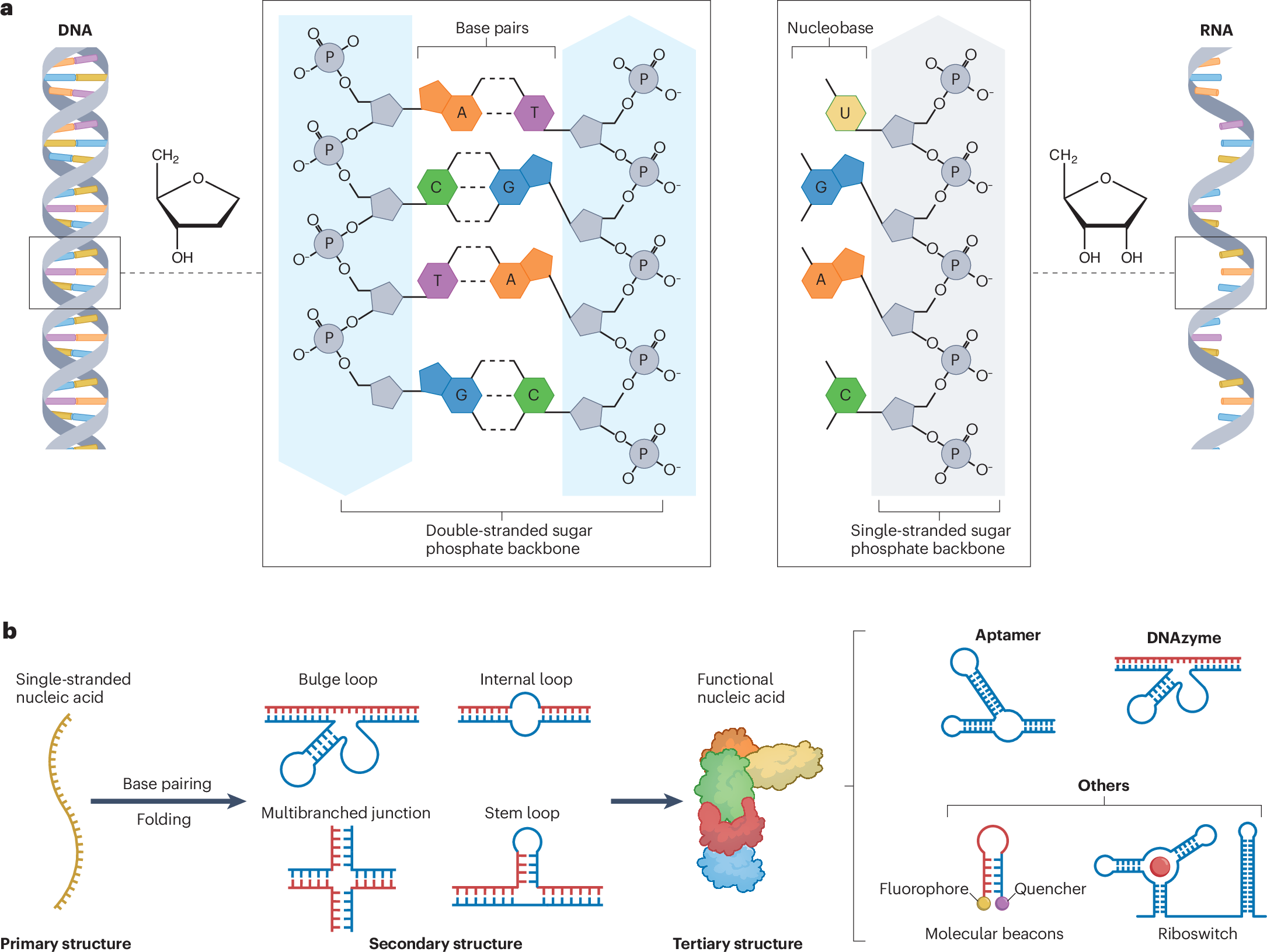
Nucleic Acids: DNA, RNA, and microRNAs that regulate gene expression. Modulating them can influence transcription or translation, offering therapeutic potential.
Lipids: As components of cell membranes and signaling mediators, lipids such as phospholipids or eicosanoids influence cellular integrity and inflammatory responses.
Carbohydrates: Glycoproteins and glycolipids on cell surfaces play roles in cell adhesion, recognition, and immune modulation, often targeted in immunotherapy.
Small Molecules: Metabolites or cofactors that can be perturbed to influence metabolic pathways or enzymatic activities.
This classification enables researchers to align targets with specific disease mechanisms, enhancing the precision of interventions.
To illustrate nucleic acids as targets, see the following schematic:
Target Validation and Characterization
Validation and characterization of biomolecular targets are essential to confirm their relevance and reliability in biological contexts, minimizing downstream failures in medecine development.
Expression Profiling: Determines the spatial and temporal presence of targets in specific tissues or cells, often using techniques like RNA sequencing or immunohistochemistry.
Functional Assays: Evaluate the target's role in biological pathways through knockdown experiments, overexpression, or activity measurements to establish causality.
Structural Studies: Employ methods such as X-ray crystallography, nuclear magnetic resonance (NMR), or cryo-electron microscopy (cryo-EM) to elucidate atomic-level details of binding sites and conformational changes, aiding in ligand design.
Interaction Mapping: Utilizes proteomics or biophysical assays to identify interacting partners, ligands, and regulatory elements.
Experimental Applications
Biomolecular targets underpin a range of experimental paradigms that translate molecular insights into practical outcomes.
- MEDICINE Discovery: Targets inform the design of small molecules, biologics, and peptides that modulate activity, often through structure-based approaches.
- Diagnostics: Serve as biomarkers for detecting disease states or monitoring progression via assays like ELISA or PCR.
- Antibody and Peptide Development: Facilitate the creation of specific binders for research tools or therapeutics, leveraging phage display or computational modeling.
- High-throughput Screening: Involves testing vast compound libraries against validated targets using automated platforms to identify hits.
Clinical and Translational Relevance
In clinical settings, biomolecular targets drive personalized medicine by enabling tailored interventions based on individual molecular profiles.
Therapeutic Targets: Central to treatments for cancers, autoimmune disorders, and infections, where agents like monoclonal antibodies or kinase inhibitors selectively inhibit aberrant pathways
Diagnostic Biomarkers: Allow early disease detection and therapeutic monitoring, improving patient outcomes through non-invasive methods.
Targeted Delivery Systems: Utilize antibodies, peptides, or nanoparticles to deliver payloads directly to diseased sites, enhancing efficacy while reducing off-target effects.
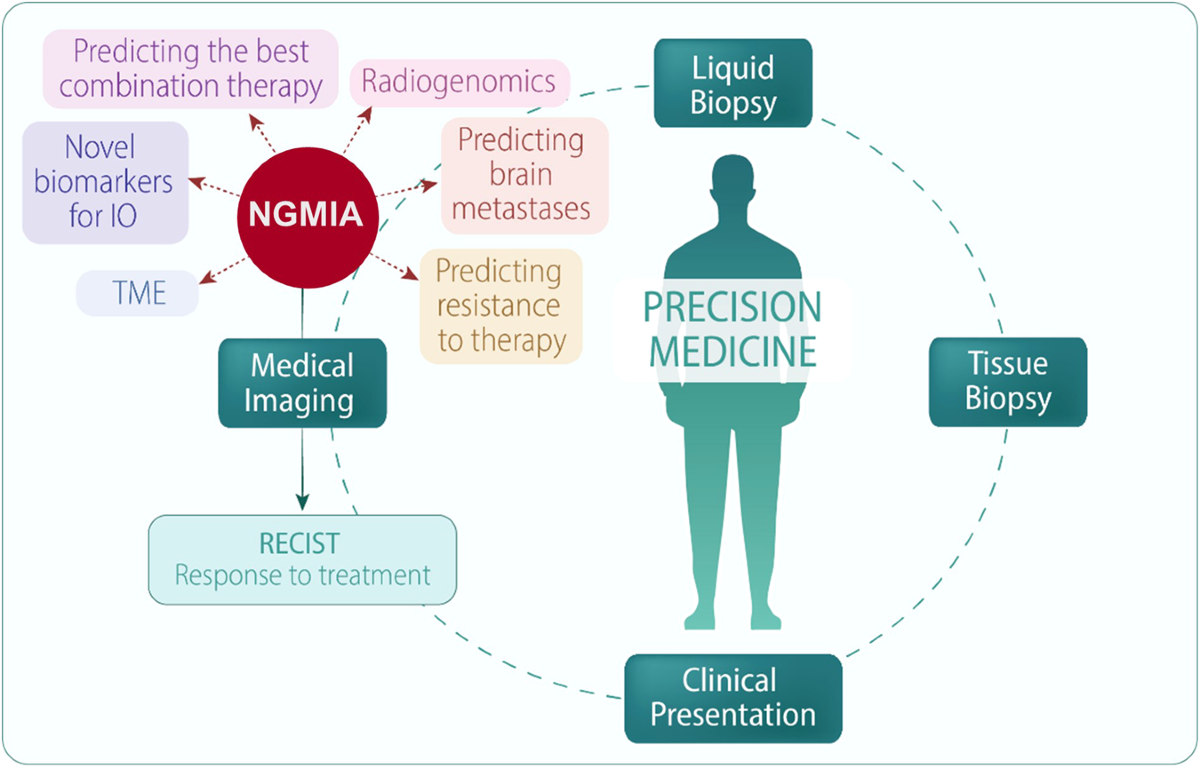
An illustration of targeted therapy in personalized medicine
Future Directions in Biomolecular Target Research
The field is evolving rapidly, with emerging technologies poised to revolutionize target discovery and exploitation.
- Integration with Multi-omics: Combines genomics, proteomics, and metabolomics for holistic system-level understanding.
- AI-Driven Target Identification and Validation: Leverages machine learning for predicting targets, optimizing ligands, and simulating interactions.
- Development of Novel Ligands: Focuses on advanced antibodies, peptides, and small molecules for enhanced specificity in precision therapy.
- Enhanced Structural and Computational Analysis: Advances in cryo-EM and quantum computing facilitate rational drug design.
These directions promise to expand the therapeutic landscape, addressing previously undruggable targets.
