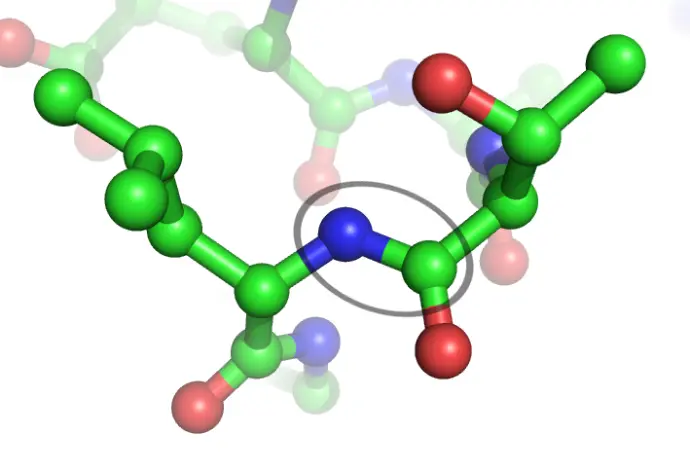
What Are Peptides?
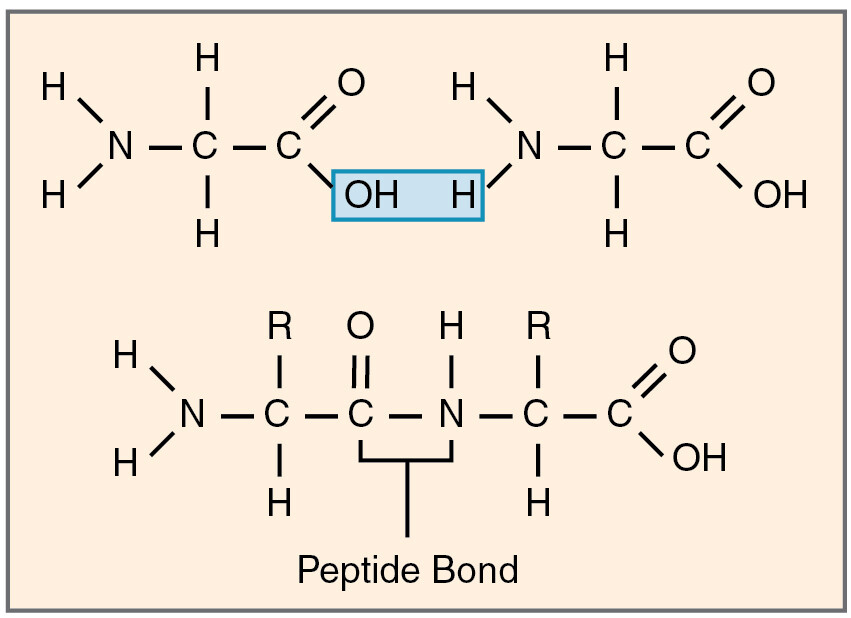
Peptides are short chains of amino acids linked by peptide bonds, typically consisting of 2 to 50 residues, distinguishing them from longer proteins. These molecules play pivotal roles in cellular signaling, enzymatic regulation, and innate immune defense mechanisms. Their smaller size relative to proteins confers advantages such as enhanced tissue penetration, reduced immunogenicity, and high target specificity, rendering them invaluable in biomedical research, diagnostic assays, and therapeutic interventions. Peptides can mimic or antagonize biological interactions, facilitating precise modulation of physiological pathways.
Structural Characteristics
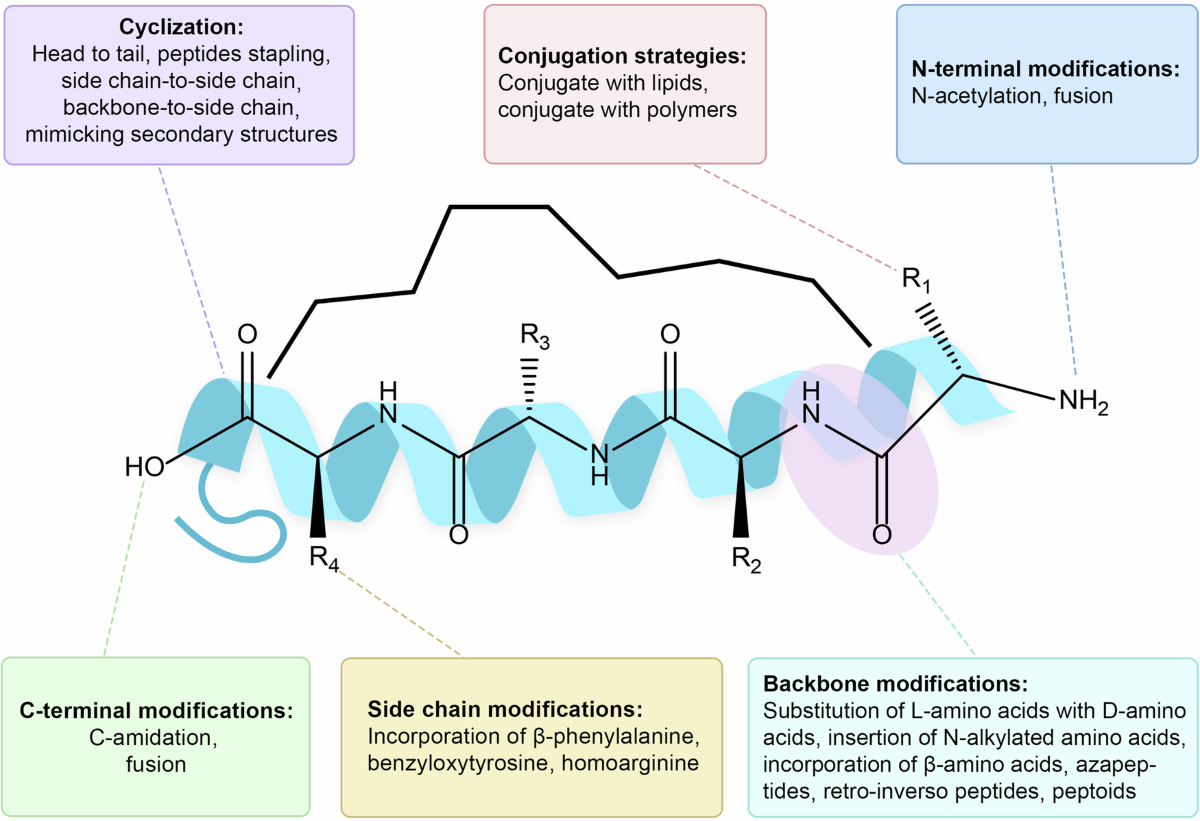
The structural diversity of peptides is governed by their primary amino acid sequence, length, and post-synthetic modifications, which collectively influence conformation, stability, and bioactivity. Linear peptides feature open chains with distinct N- and C-termini, allowing flexibility but susceptibility to proteolytic degradation. Cyclic peptides, formed through covalent linkages such as disulfide bridges or head-to-tail cyclization, adopt constrained conformations that enhance metabolic stability and receptor affinity. Modified peptides incorporate alterations like phosphorylation, glycosylation, or acetylation, which can modulate solubility, half-life, and target interactions. These structural attributes underpin their functional specificity, with secondary structures like alpha-helices or beta-sheets often stabilizing key binding interfaces.
Classification of Peptides
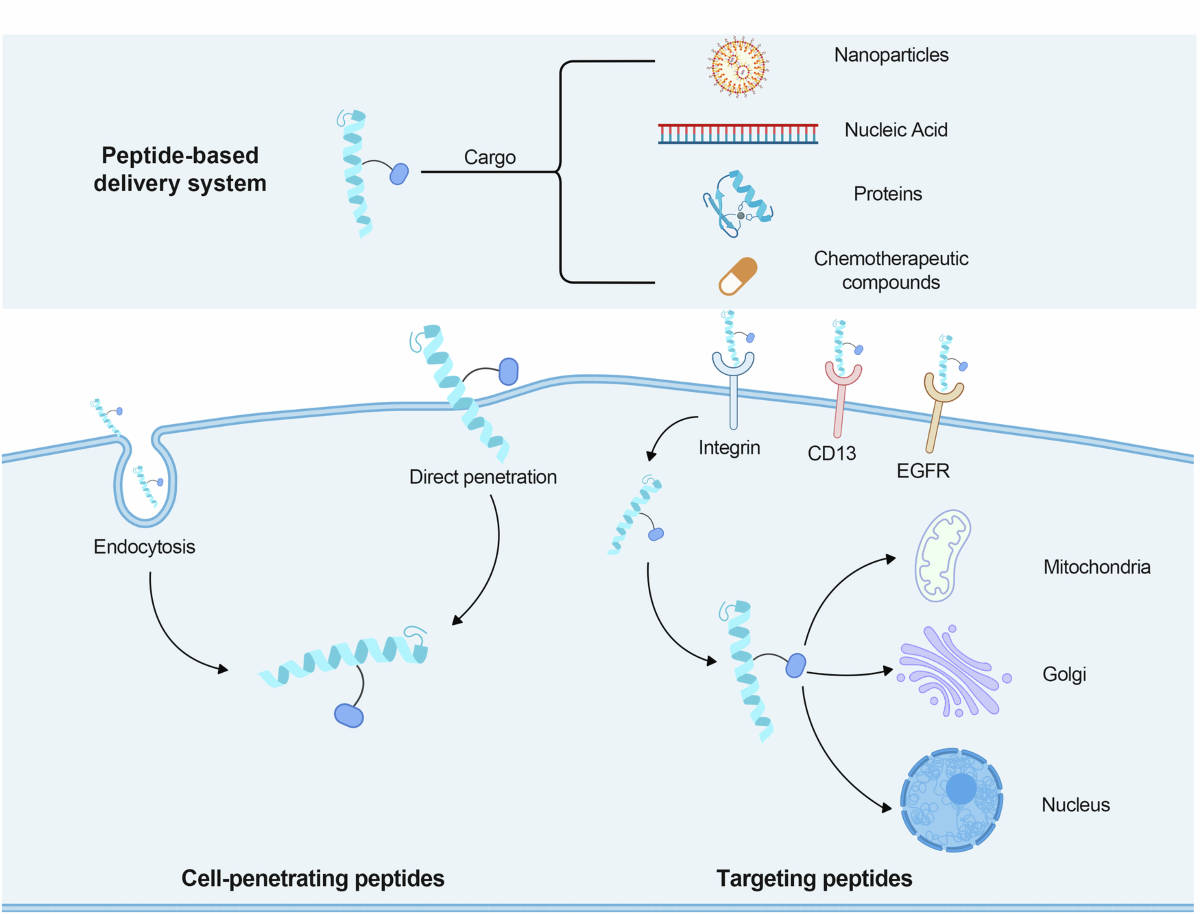
Peptides are classified according to their origin, functional roles, or architectural features, reflecting their broad utility in biological systems. Signaling peptides, including hormones like oxytocin and neurotransmitters such as substance P, orchestrate intercellular communication via receptor activation. Antimicrobial peptides (AMPs), exemplified by defensins and cathelicidins, disrupt microbial membranes to confer host defense against pathogens. Therapeutic peptides are synthetically optimized variants, such as insulin analogs for metabolic disorders. Cell-penetrating peptides (CPPs), like TAT-derived sequences, enable intracellular delivery of cargos by traversing lipid bilayers. This taxonomy underscores peptides' versatility across evolutionary conserved and engineered applications.
Biological Function and Mechanism
Peptides exert their biological effects through specific interactions with receptors, enzymes, or macromolecular assemblies, modulating pathways essential for homeostasis. In cellular signaling, peptides like glucagon-like peptide-1 (GLP-1) activate G-protein-coupled receptors to regulate metabolism. Immune modulation involves peptides such as thymosin alpha-1, which enhance T-cell maturation and cytokine production. AMPs employ mechanisms like membrane permeabilization or intracellular targeting to combat infections. CPPs facilitate cargo transport via endocytosis or direct translocation, enabling therapeutic delivery. Elucidating these mechanisms is critical for rational design in preclinical and clinical studies.
Peptides in Research Applications
In molecular biology and biomedicine, peptides serve as versatile tools for probing biological systems. Techniques like enzyme-linked immunosorbent assay (ELISA) and peptide microarrays utilize epitope-mimicking peptides for antigen detection and high-throughput screening. Structural elucidation employs nuclear magnetic resonance (NMR), X-ray crystallography, and molecular dynamics simulations to resolve conformational dynamics. Functional assays assess receptor binding affinity, enzymatic inhibition, or pathway modulation using radioligand binding or fluorescence-based methods. High-purity peptides ensure experimental reproducibility, advancing mechanistic insights and biomarker discovery.
Peptide Synthesis and Production
Peptide synthesis primarily relies on solid-phase peptide synthesis (SPPS), a stepwise assembly on resin supports using protected amino acids, or recombinant expression in microbial hosts for longer sequences. Optimization involves sequence design to minimize aggregation, achieving >95% purity via high-performance liquid chromatography (HPLC), and incorporating modifications like PEGylation for improved pharmacokinetics. Key considerations include enhancing stability against proteases, optimizing aqueous solubility, and ensuring bioavailability for in vivo applications. These processes support scalable production for research and clinical-grade materials.
Clinical and Therapeutic Relevance
Peptides have transitioned from niche agents to mainstream therapeutics and diagnostics, leveraging their precision and minimal off-target effects. Therapeutic examples include hormone analogs like liraglutide for diabetes, anticancer peptides targeting apoptosis pathways, and AMPs as alternatives to antibiotics. In diagnostics, peptides function as biomarkers in immunoassays or as imaging probes in positron emission tomography (PET). CPPs and targeted conjugates enhance drug delivery, enabling site-specific therapies in oncology and neurology. Their attributes position peptides as cornerstones of personalized medicine, with over 80 FDA-approved entities.
Future Directions in Peptide Research
Advancements in peptide research are poised to revolutionize biomedicine through innovative engineering and integrative approaches. Enhanced stability via stapling or non-natural amino acids, coupled with targeted delivery platforms like nanoparticles, promises improved efficacy. Computational design, utilizing machine learning for sequence prediction, accelerates discovery. Integration with proteomics and multi-omics datasets enables systems-level analyses, informing novel therapeutics. Emerging areas include peptide-based vaccines and neuromodulators, bridging basic science with translational outcomes in precision medicine.