
Introduction
Molecular biology is the study of biological macromolecules, their interactions, and their regulatory roles within cells. It serves as the foundation for understanding life at a molecular level, providing insights into cellular processes, disease mechanisms, and therapeutic interventions.
This blog explores:
- The structure and function of proteins and nucleic acids
- Protein-protein and protein-DNA interactions
- Regulatory networks controlling gene expression
- Experimental techniques and emerging trends shaping modern molecular biology
Molecular Structures: Foundations of Biological Function
Understanding molecular structures is essential because structure determines function in all living systems. Key molecular components include:
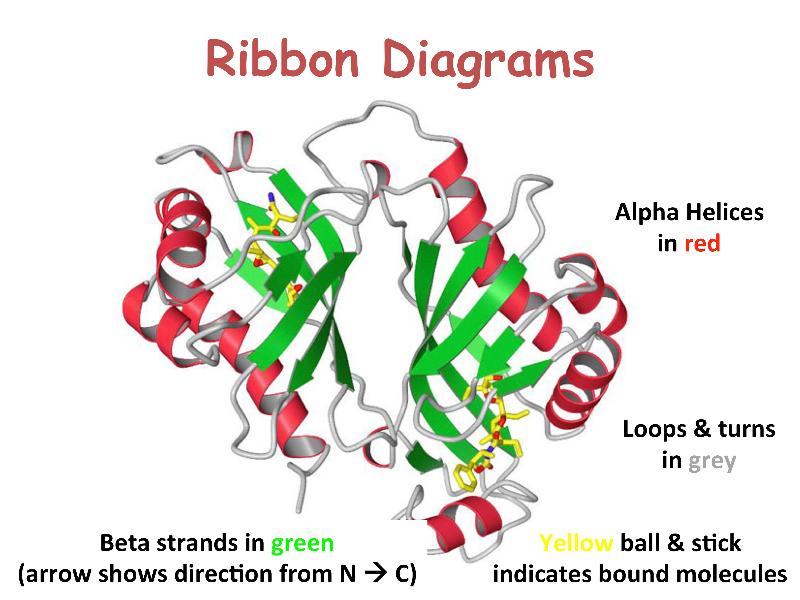
Proteins: Function as catalysts, structural scaffolds, and signaling molecules. Protein architecture spans primary (amino acid sequence), secondary (alpha-helices, beta-sheets), tertiary (3D folding), and quaternary (multi-subunit assemblies) structures. Modern computational modeling and AI-driven structure prediction enable accurate modeling of proteins even without homologous templates.
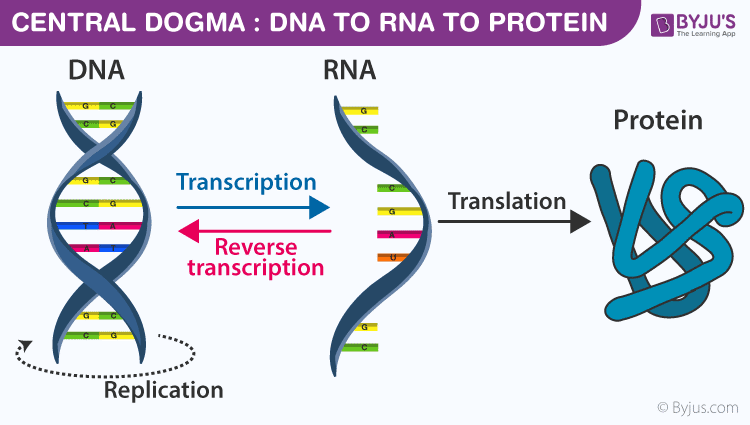
DNA & RNA: Core genetic material and transcriptional regulators. DNA double-helix structure, chromatin organization, and RNA secondary structures are critical for gene expression control, stability, and regulation of cellular processes.
Small molecules & cofactors: Essential modulators of enzyme activity, protein interactions, and metabolic pathways.

Protein-Protein and Protein-Nucleic Acid Interactions
Proteins rarely act in isolation. Their interactions are central to signal transduction, metabolic pathways, and transcriptional control.
- Protein-Protein Interactions (PPIs): Determine complex formation and pathway regulation. Techniques: Co-immunoprecipitation, Yeast Two-Hybrid, FRET, SPR.
- Protein-DNA Interactions: Essential for transcription factor binding, epigenetic regulation, and chromatin remodeling. Techniques: ChIP-Seq, EMSA.
- Protein-RNA Interactions: Influence splicing, translation, and RNA stability. Techniques: CLIP-Seq, RIP-Seq.
Gene Expression and Regulation
Gene function is tightly controlled at multiple levels:
- Transcriptional Regulation: DNA-binding proteins and transcription factors regulate gene activation or repression.
- Epigenetic Control: Histone modifications and DNA methylation modulate accessibility without altering the sequence.
- Post-Transcriptional Control: RNA splicing, editing, stability, and non-coding RNAs influence final protein output.
Example: Misregulation of transcription factors can lead to cancer, autoimmune diseases, or developmental disorders.
Experimental Techniques in Molecular Biology
Modern molecular biology relies on precise, reproducible, and validated experimental techniques:
Structural Analysis: X-ray crystallography, Cryo-EM, NMR for 3D structures of macromolecules.
Protein Expression & Purification: Recombinant systems in bacterial, yeast, or mammalian cells.
Innovative Architecture
Experience cutting-edge designs that blend creativity with functionality, pushing the boundaries of modern architecture.
High-Throughput Approaches: Omics technologies, protein microarrays, and next-generation sequencing.
Interaction Mapping: Co-IP, Yeast Two-Hybrid, FRET, and mass spectrometry-based PPI networks.
Molecular Pathways and Cellular Networks
Understanding how molecules interact within cellular pathways is crucial:
- Signal Transduction: Ligand-receptor interactions initiate cascades that regulate gene expression.
- Metabolic Networks: Enzyme interactions control energy production and substrate flux.
- Regulatory Circuits: Feedback loops maintain cellular homeostasis.
- Disease Pathways: Altered molecular interactions often drive cancer, neurodegeneration, or immune dysfunction.
Applications in Research and Medicine
Molecular biology research drives translational and clinical innovation:
- Biomarker Discovery: Proteins and gene expression profiles for diagnostics.
- medecine Target Validation: Identification of proteins or pathways for therapeutic intervention.
- Gene Therapy: Modifying gene expression to correct disease-causing mutations.
- Synthetic Biology: Engineering molecular systems for biotechnology and therapeutics.
Data Integration and Computational Approaches
Modern molecular biology increasingly combines experimental and computational tools:
- Bioinformatics: Predict protein structure, interactions, and functional domains.
- Systems Biology: Map networks connecting genes, proteins, and metabolites.
- Machine Learning & AI: Accelerate molecular predictions and drug discovery pipelines.
- Databases: Curated repositories for sequences, protein structures, and PPIs.
Emerging Trends and Future Directions
The field is rapidly advancing with:
- Single-Molecule Imaging: Real-time observation of molecular interactions in living cells.
- Multi-Omics Integration: Linking transcriptomics, proteomics, and metabolomics for holistic insights.
- AI-Driven Molecular Design: Predictive modeling for protein engineering and gene regulation.
- Personalized Medicine Applications: Tailoring therapeutics based on molecular profiles.
Conclusion
Molecular biology bridges structure, function, and regulation, providing an integrated framework to understand life at the molecular level. Through careful experimentation, robust data analysis, and computational modeling, researchers can decode cellular mechanisms, identify disease targets, and develop innovative therapies.